
- DIGITAL ENGINEERING
Engineering Beyond the Model
From Digital Models to Intelligent, Connected and Future-Ready Assets
Digital engineering is changing the way the built environment is conceived, designed, delivered and managed. At ANTERHILL, we see BIM as more than a modelling process. We use digital information, engineering intelligence and connected workflows to create greater clarity, improve decision-making and connect the entire asset lifecycle.
We bring together digital engineering, BIM, computational design, project controls, commercial intelligence and asset information to help clients understand how design decisions influence construction, cost, programme, performance and long-term asset value. From early design and coordination through construction, handover, operations and maintenance, we seek to create a continuous flow of reliable information rather than isolated models and disconnected data.
Our approach connects people, processes, information and technology to create digital environments that support better decisions throughout the lifecycle of an asset.

Beyond Conventional BIM
We Don’t Just Model Buildings — We Engineer Clarity.
Traditional BIM can become focused on producing models and drawings. We take a broader view.
A well-structured digital environment can help clients see what is being designed, understand how it can be built, quantify what it will cost, visualise how it will progress, identify what may go wrong and preserve the information required to operate the asset afterwards.
The underlying principle is simple:
The model is not the outcome. Better decisions are.
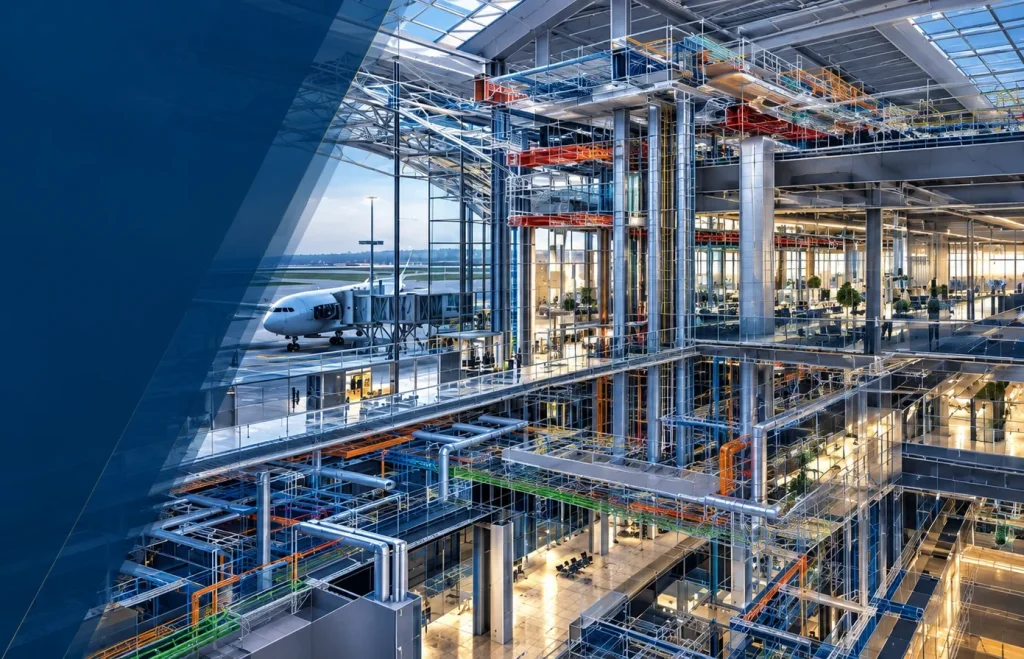
Our digital engineering approach therefore extends across:
- 3D Geometry & Visualisation
- Multidisciplinary Coordination
- 4D Programme & Construction Sequencing
- 5D Cost & Quantity Intelligence
- Digital Engineering & Computational Design
- Asset Information Management
- Digital Twins
- GIS & Spatial Integration
- VR / AR & Immersive Visualisation
- Automation & Data-Driven Workflows
- Whole-Life Asset Management
A Digital Thread Through the Asset Lifecycle
One Asset. One Connected Information Environment.
Complex projects demand more than conventional answers. We bring together multidisciplinary expertise, commercial intelligence and innovative thinking to challenge assumptions, connect disciplines and bring clarity to complexity—turning challenges into opportunities and creating outcomes that move our clients forward.
Plan
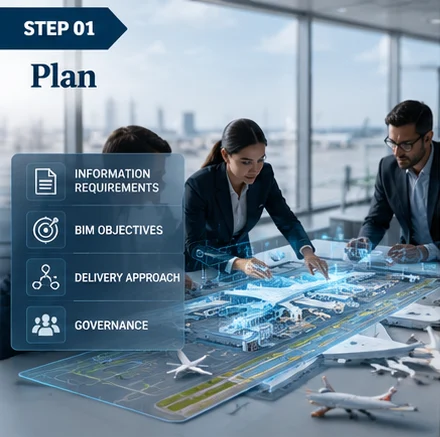
Establish the information, digital and delivery requirements from the outset.
We help define the digital strategy, information requirements, BIM objectives, delivery approach and governance necessary to create a structured foundation for the project.
Design
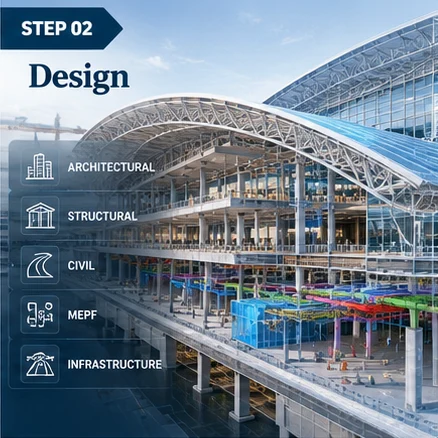
Create coordinated, information-rich digital environments that allow multidisciplinary teams to understand the asset before it is built.
This includes architectural, structural, civil, MEPF and infrastructure modelling, design coordination, spatial analysis and constructability review.
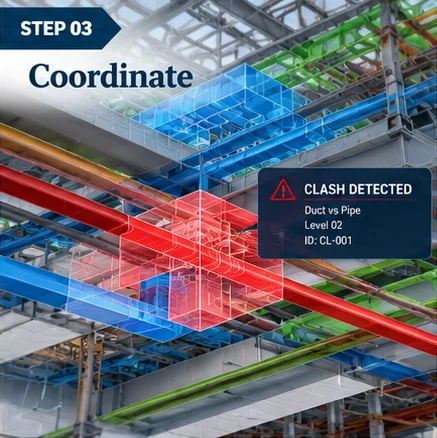
Coordinate
Bring disciplines together within a coordinated digital environment.
Clash detection, federated models, design reviews and structured coordination help identify conflicts earlier and reduce avoidable rework. The source material specifically identifies multidisciplinary coordination, clash detection and coordination workflows as core BIM capabilities.
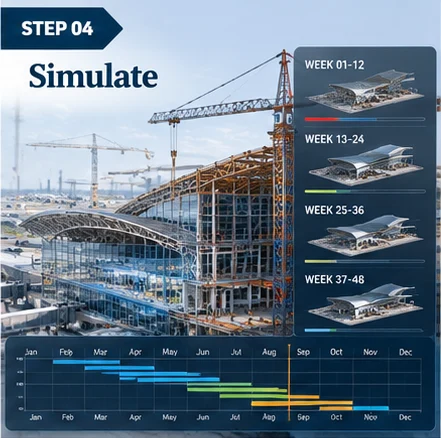
Simulate
Use the digital model to understand how the project will be built.
4D BIM connects the model with programme information to visualise sequencing, test construction scenarios, monitor progress and improve resource planning.
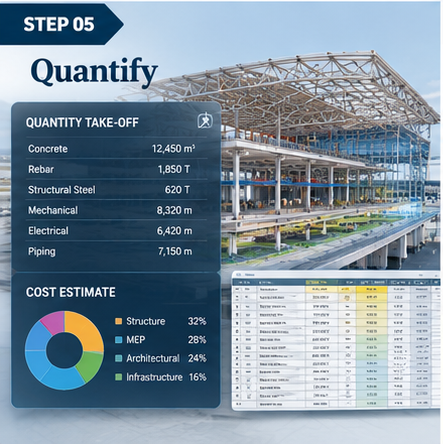
Quantify
Connect geometry with quantities and cost information.
5D BIM can support quantity take-offs, cost estimation, procurement planning and assessment of the financial implications of design change.
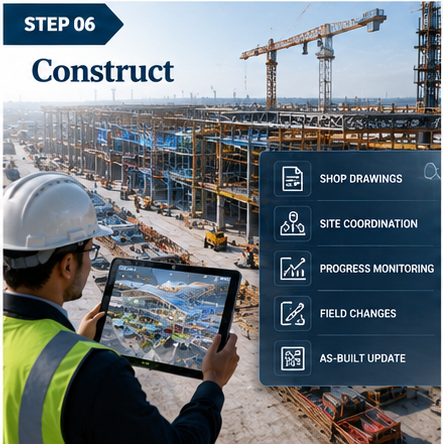
Construct
Use coordinated digital information to support construction documentation, shop drawings, installation, site coordination and progress monitoring.
The digital environment can incorporate survey information, construction inputs, field changes and as-built information to create a progressively more accurate representation of the asset.
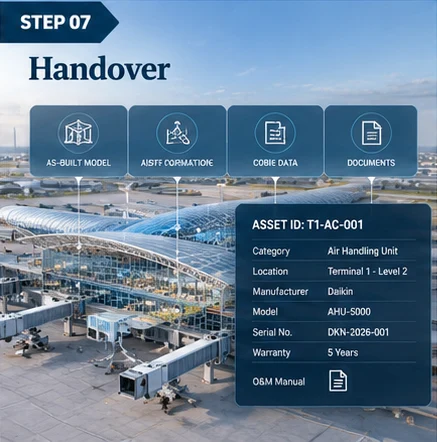
Handover
Move beyond simply handing over drawings.
We help structure asset information so that the information generated during design and construction remains useful to those responsible for operating and maintaining the asset.
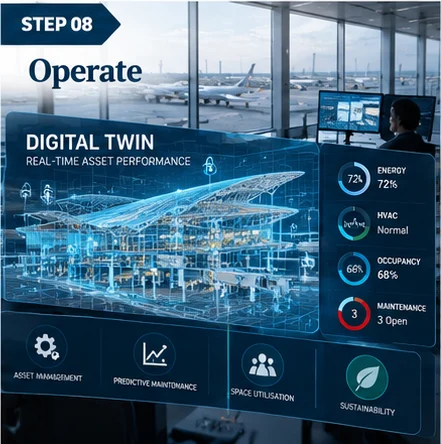
Operate
Connect asset information with operations, maintenance and lifecycle requirements.
BIM begins to transition from a project delivery tool into an asset management resource.
Our capability includes:
Our Digital Engineering Capabilities.
BIM Strategy & Implementation
We help clients establish the strategic and information framework necessary to implement BIM effectively.
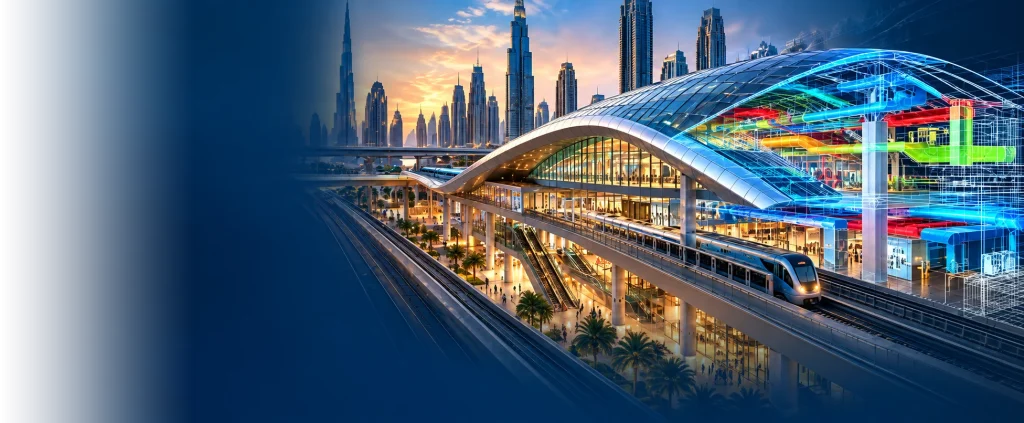
We develop discipline-specific and federated digital models across the built environment, including:
Digital Modelling & Visualisation.
Turning Information into Understanding
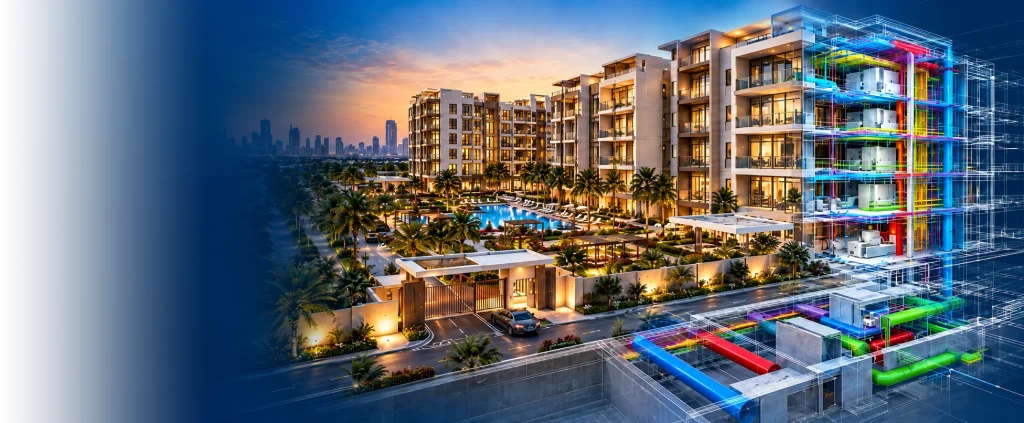
Our approach encompasses:
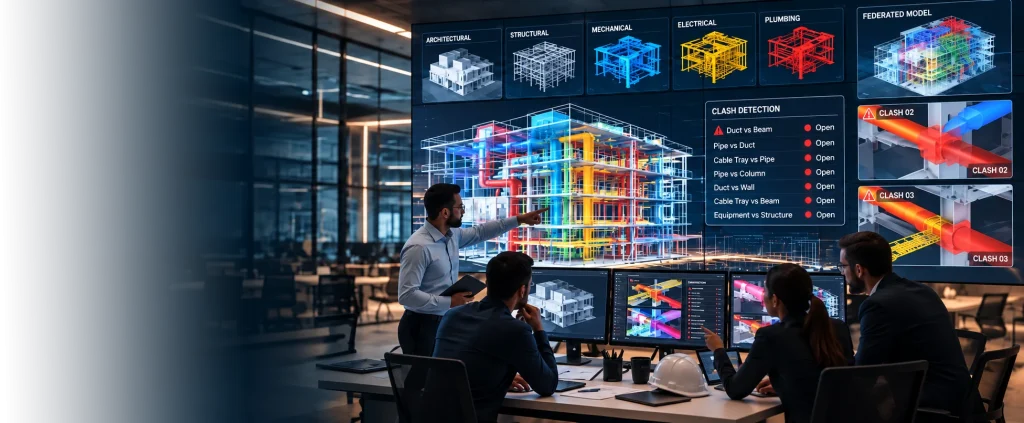
Multidisciplinary Coordination.
Find the Problem Before It Finds the Site
We use federated digital environments to bring together multiple disciplines and identify spatial, technical and constructability conflicts before they become costly site problems.
4D BIM
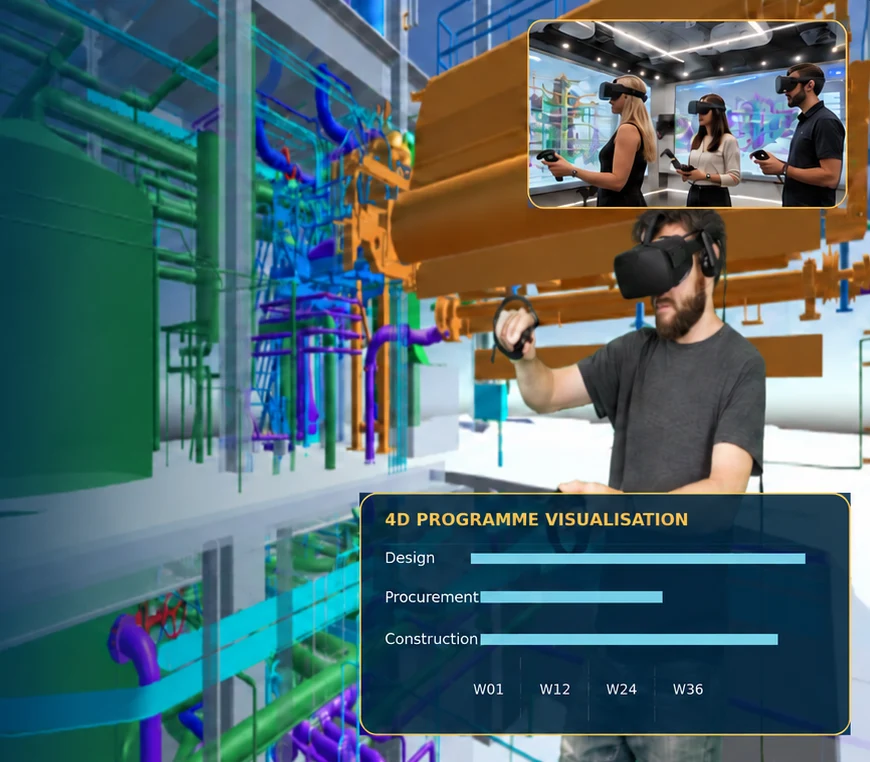
See the Project Before You Build It
We connect digital models with programme information to visualise construction sequencing and project progression.
4D applications can support:
- Construction sequencing
- Programme visualisation
- Progress monitoring
- Planned-versus-actual analysis
- Quantum Expert Services
- Resource planning
- Logistics planning
- Temporary works sequencing
- Construction scenario testing
- Delay identification
- Stakeholder communication
4D BIM enables teams to visualise construction activities, compare planned and actual progress, identify delays and test alternative construction scenarios.
5D BIM
Connect Design with Cost
We connect digital models with quantity and cost information to support:
Automated
quantity take-offs
Cost
estimation
Budget
monitoring
Cost
planning
Procurement
planning
Model-based
measurement
Change
assessment
Quantity
validation
Commercial
analysis
When design changes, the digital model can provide a more immediate understanding of the resulting changes in quantities and cost.
Scan-to-BIM &
Existing Asset Digitisation
Turning the Existing into the Digital
Not every project begins with reliable digital information.
We can work from:
Laser Scans · Point Clouds · Survey Data · Existing Drawings · Site Records · Field Information
to develop structured digital representations of existing assets.
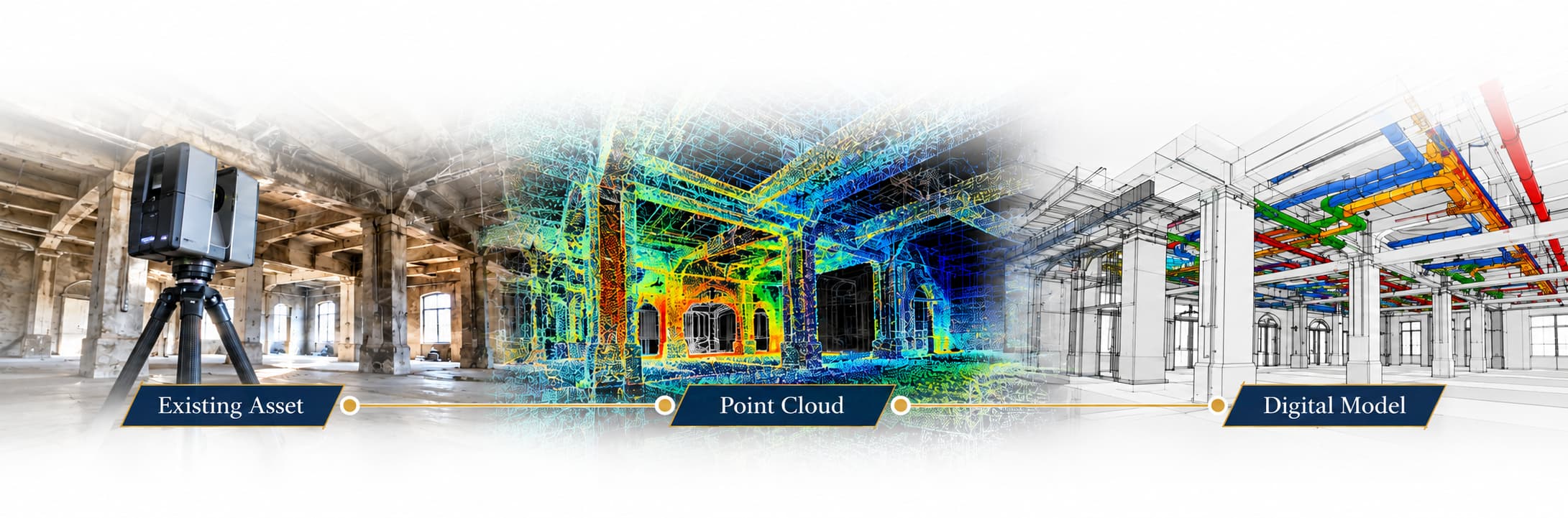
This can support:
Existing-condition
modelling
Renovation
and refurbishment
Brownfield
development
Facility
management
As-built
verification
Asset
documentation
Digital Twin
development
Asset Information Management
Information That Survives the Project
A Model Has Limited Value if the Information Cannot Be Used
We extend BIM beyond design and construction by structuring asset information for the people who will ultimately operate and maintain the asset.
Our capability includes:
Asset Information
Requirements (AIR)
Data
validation
COBie
Asset Information
Models (AIM)
Asset data
handover
IFC
Asset data
structures
O&M
information
Structured
asset databases
Maintenance
information
Whole-life
asset information
Asset
tagging
Digital Twins
From Digital Representation to Living Information
A Digital Twin goes beyond a static model.
We explore how digital asset information can connect with operational information, sensors, inspections and other data sources to create a more useful representation of the physical asset.
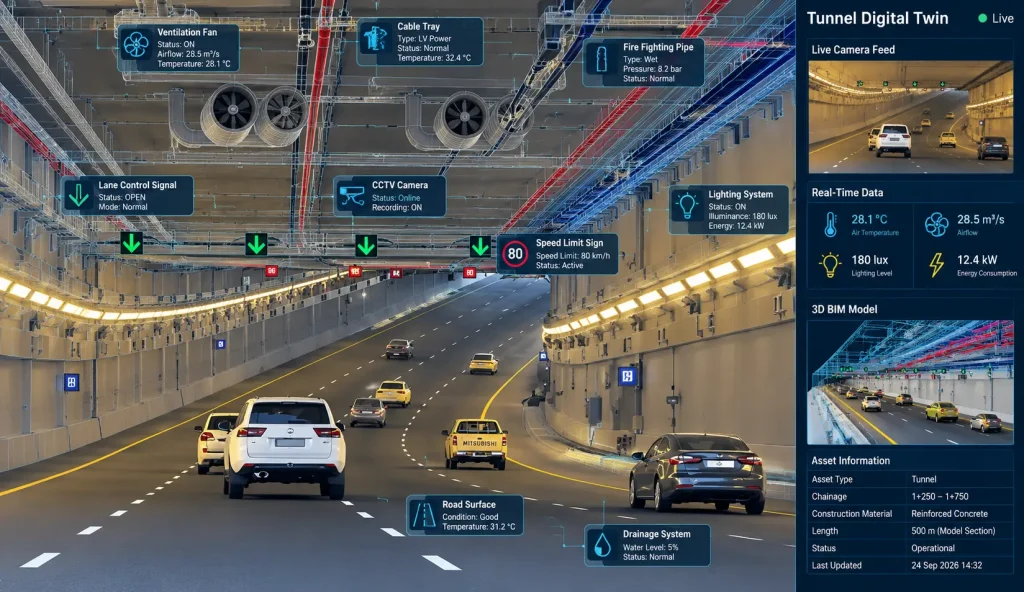
Applications may include:
Asset condition
monitoring
Performance
monitoring
Predictive
maintenance
Operational
visualisation
Asset
tracking
Inspection
records
Maintenance
planning
Lifecycle
decision-making
GIS + BIM
When Location Becomes Versatile
For geographically distributed assets and complex infrastructure, we integrate spatial and geospatial information with digital models to help clients understand the relationships between assets, terrain, utilities, corridors, networks and their surrounding environments.
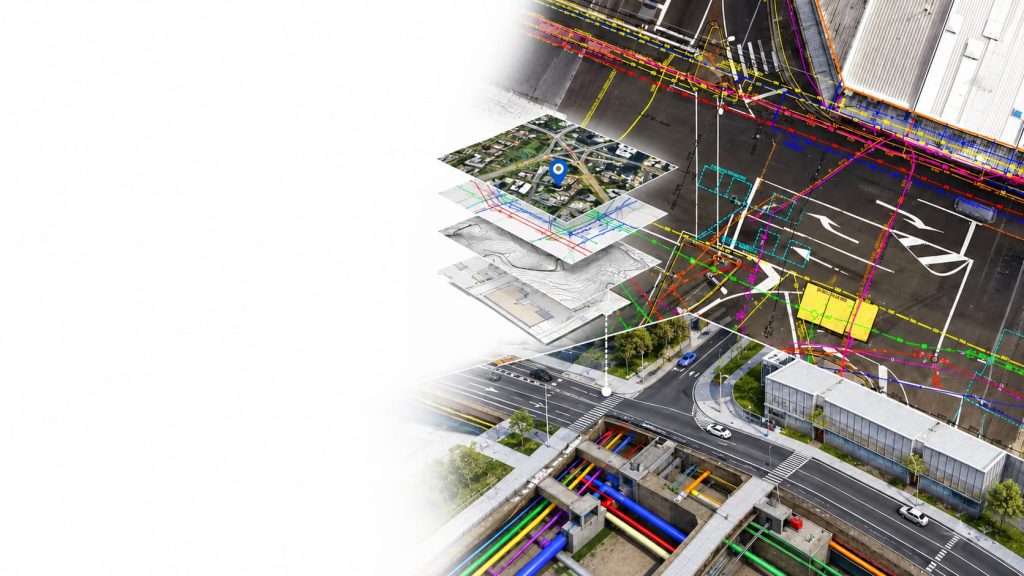
Applications include:
GIS-integrated
BIM
Utility
mapping
Terrain
modelling
Corridor
planning
Spatial
analysis
Asset
tracking
Underground
utility coordination
Infrastructure
mapping
Computational Design & Automation
Think Beyond What Manual Processes Can Deliver
We explore computational approaches to improve how digital engineering workflows are created, managed and optimised.
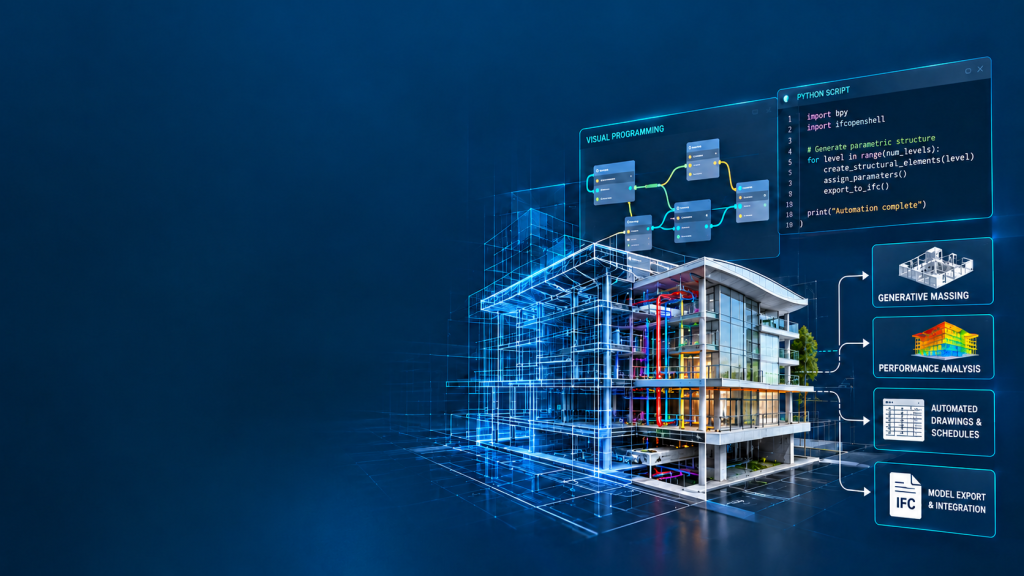
Capabilities include:
Parametric
modelling
Computational
design
Dynamo
Python
API
integration
Workflow
automation
Custom
add-ins
Automated
documentation
Automated
data processing
AI/ML-enabled applications
where appropriate
VR, AR & Immersive Engineering
Experience the Asset Before It Exists
Immersive technologies can transform the way stakeholders understand complex projects.
We can use VR/AR environments for:
Design
review
Stakeholder
engagement
Construction
visualisation
Spatial
understanding
Safety
review
Training
Operational
familiarisation
Remote
collaboration
Presentation of
complex infrastructure
Regenerative BIM
Beyond Digital Efficiency
Most BIM consultancies stop at coordination, efficiency and information management.
ANTERHILL goes further.
Regenerative BIM asks a bigger question:
Can digital engineering help us create assets that contribute more than they consume?
We explore how BIM and digital engineering can support:
Sustainable
design decisions
Carbon-informed
coordination
Resource
efficiency
Material
optimisation
Waste
reduction
Resilience
Adaptability
Circularity
Lifecycle
performance
Environmental
intelligence
Regenerative
outcomes
We use digital engineering as an enabler for more sustainable, resilient and regenerative decisions.
Digital Engineering for Infrastructure
Where Scale Changes the Challenge
Our digital engineering capability can extend across complex infrastructure environments, including:
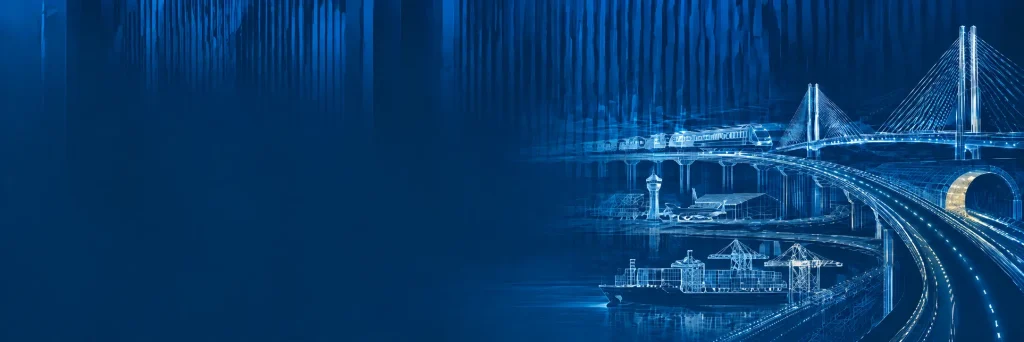
Roads &
Highways
Railways &
Transit
Bridges
Tunnels
Airports &
Airfields
Utilities
Water &
Wastewater
Ports & Marine
Infrastructure
Power
Infrastructure
Industrial
Infrastructure
The ANTERHILL Difference
Digital Engineering with Commercial and Project Intelligence
We do not view digital engineering as a technology function operating separately from project delivery.
A model that identifies a clash has technical value. A model that identifies a clash before it affects procurement, programme, cost and construction has commercial value. A model that preserves reliable information into operations and maintenance has whole-life value.
That is the difference between modelling an asset and engineering its information.
Our capability connects digital
information with:
COST
PROGRAMME
RISK
CONTRACTS
PROCUREMENT
CONSTRUCTION
ASSET PERFORMANCE
STRATEGIC DECISION-MAKING
01
Greater Clarity
Better visualisation and understanding of complex projects.
02
Earlier Certainty
Identification of design, coordination and constructability issues before they reach site.
03
Better Commercial Control
Greater visibility of quantities, cost and the financial implications of change.
04
More Predictable Delivery
Improved understanding of sequencing, resources and construction constraints.
05
Less Rework
Earlier identification and resolution of multidisciplinary conflicts.
06
Better Information
Structured information that can move from project delivery into asset operations.
07
Greater Asset Intelligence
Connected asset information that supports maintenance, performance and lifecycle decisions.
08
Future Readiness
Digital foundations capable of supporting evolving technologies, operational requirements and emerging forms of intelligent asset management.
Technology Ecosystem

Autodesk
Construction Cloud
Bentley
Other Platforms
Grasshopper
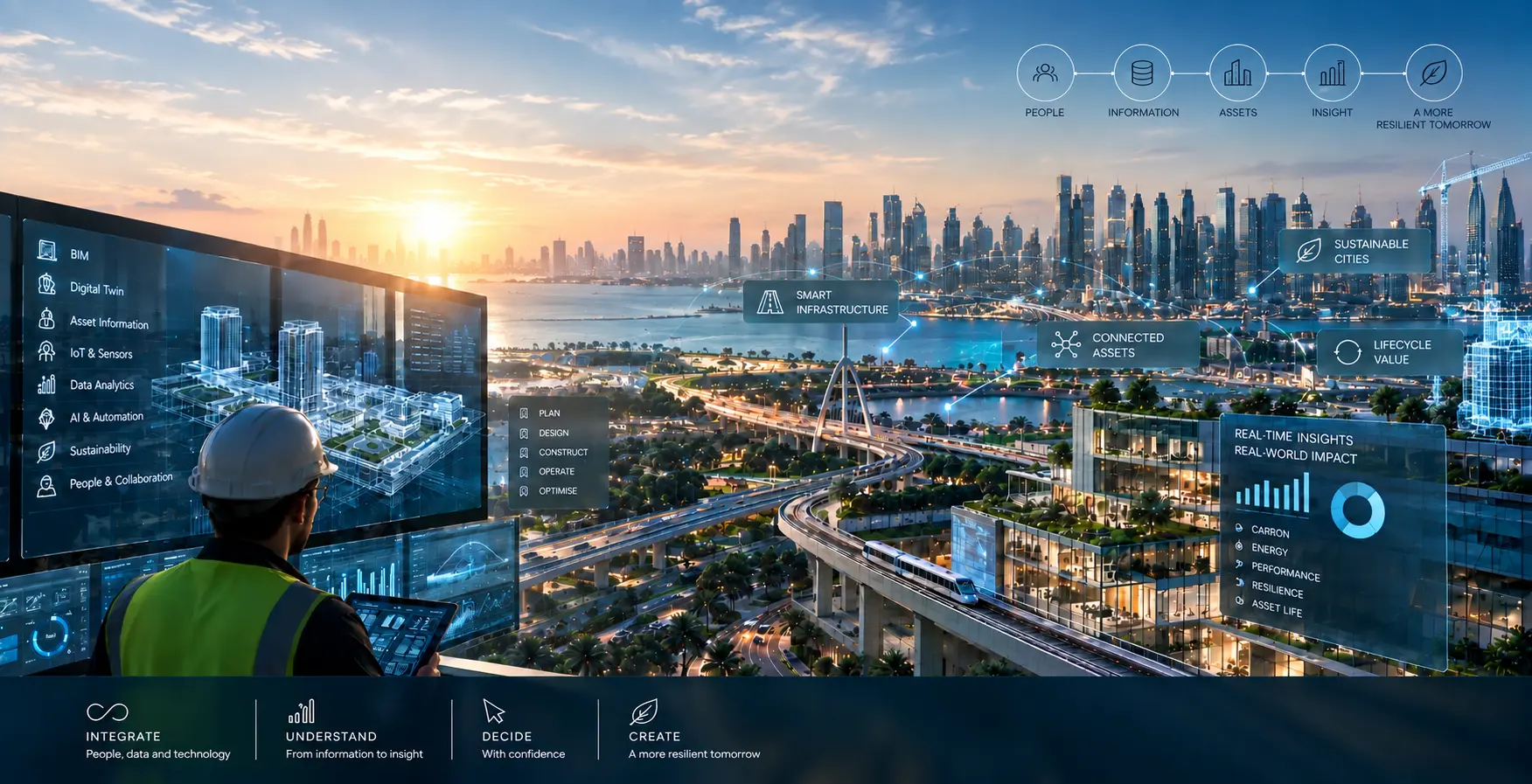
A Connected Future
From BIM to a More Intelligent Built Environment
The future of the built environment will not be defined by better models alone. It will be defined by how effectively information is connected, understood and used.
ANTERHILL is developing its digital engineering capability around that future—bringing together BIM, computational design, asset information, Digital Twins, automation, immersive technologies and regenerative thinking with the commercial and project intelligence required to turn information into better decisions.
We believe the next generation of digital construction is not simply about digitising what we do today. It is about
rethinking what becomes possible when the asset, its information and the people responsible for it are connected.
Where Digital Intelligence
Shapes the Built
Environment.
Whether you are developing a new asset, transforming an existing one or seeking greater control over a complex project, ANTERHILL can help you turn fragmented information into connected intelligence—and connected intelligence into wiser decisions, guided by experience, insight and wisdom.